
What problem it tries to solve
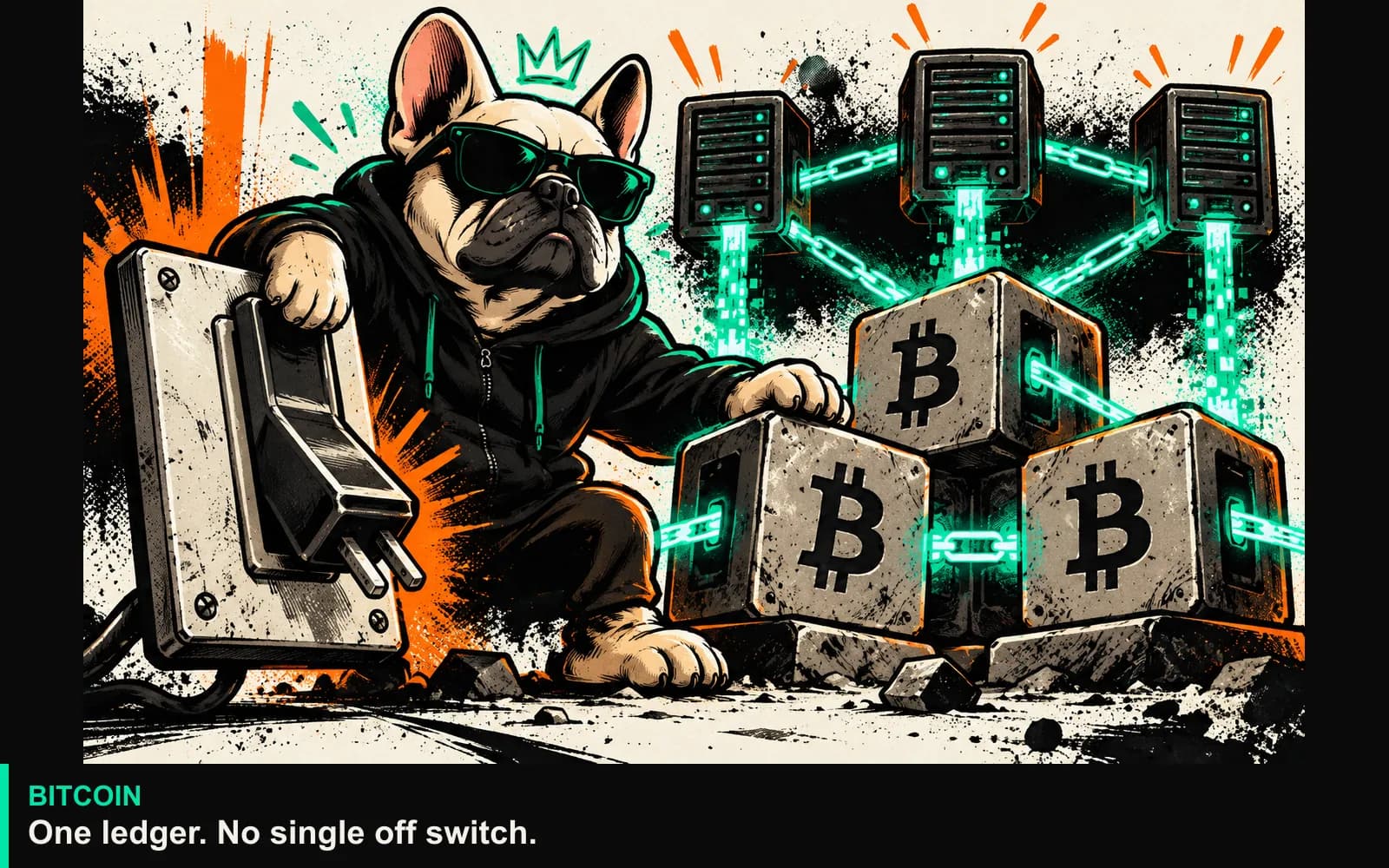
Digital information is easy to copy. Money needs a way to prevent the same unit from being spent twice. Bitcoin’s design lets participants agree on a transaction history without assigning one institution to maintain the only ledger.
The system includes the bitcoin asset, the peer-to-peer network, consensus rules, transaction formats, and software that checks those rules. “Bitcoin” can refer to the whole system; “BTC” is common shorthand for the asset in interfaces.
From payment request to block
- A wallet constructs a transaction that points to earlier unspent outputs.
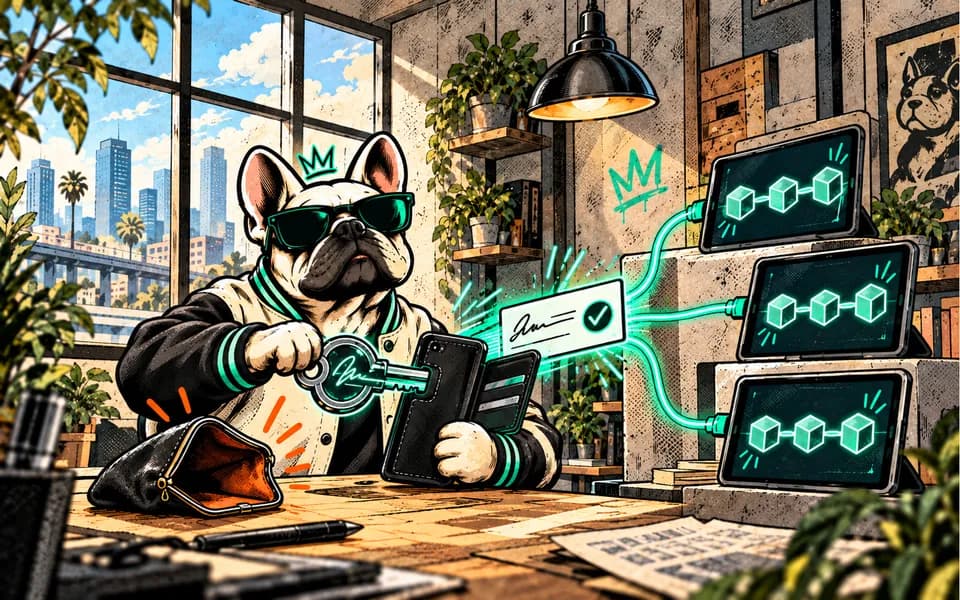
- The owner authorizes it with a digital signature.
- Network nodes relay the transaction after checking relevant rules.
- Miners choose transactions and compete to produce a valid proof-of-work block.
- Nodes accept a block only if it follows the rules they enforce.
Mining does not give a miner permission to rewrite any balance at will. Other nodes still verify the block and can reject it.
A small ledger example
If an earlier transaction assigned an output worth 0.01 BTC to a key Ada controls, Ada can create a later transaction spending that output. The new transaction may create one output for Ben and another returning change to Ada. Fees are the difference between the inputs and outputs.
The numbers are illustrative. Real wallet software handles output selection and change, but the underlying model matters when you inspect fees and privacy.
What finality means here
A payment included in a block gains additional confirmations as more valid blocks are added. Risk usually decreases with depth, but Bitcoin does not provide an instant guarantee that every included transaction can never be reorganized. The amount, context, and recipient’s risk policy influence how much confirmation is enough.
Trade-offs
- Proof of work consumes energy; evaluating that cost requires comparing the actual energy mix, network security goals, and alternatives rather than using one slogan.
- Base-layer capacity is limited, so demand can raise fees.
- Public transaction data is not the same thing as a real-name database, but activity can still be traced and clustered.
- Self-custody removes a central account operator and adds key-management responsibility.
Sources
- Bitcoin: A Peer-to-Peer Electronic Cash System — original design paper.
- Bitcoin Developer Guide: Block chain — accessed 12 September 2026.
See something wrong? Brokzi logs material changes. Prepare a correction note.