
Ethereum Foundation opens a public-sector resource hub
Ethereum Foundation announces a public-sector resource hub. What the November 3 website offers, how credential verification fits and what remains untested.
3 min read
Read the storyRead the story. Understand the mechanism.
Ethereum Foundation announces a public-sector resource hub. What the November 3 website offers, how credential verification fits and what remains untested.
Recently published news and explainers.
An NFT’s CID identifies content; it does not keep it online. Trace metadata, image links, gateways and pinning to see which claims still need evidence.
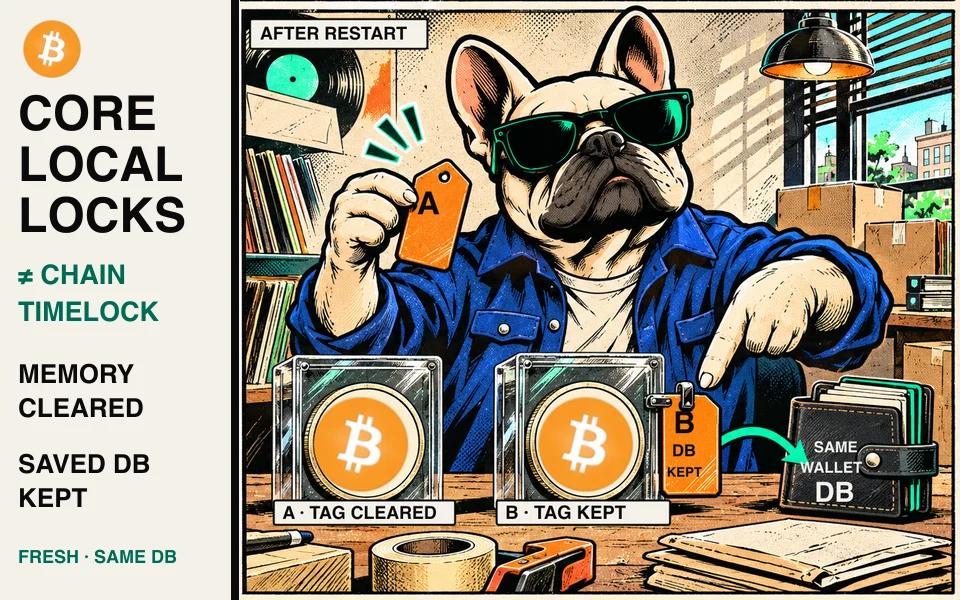
Understand Bitcoin Core’s local coin-selection locks, manual input selection and persistence across restart. A locked-outpoint list is not a blockchain timer.
See which lamports a Solana token account closure returns, who can authorize it and where the balance goes. Separate token amount, storage balance and fees.
Practical guides for the screen in front of you. What to check, and what a check cannot prove.
Explore guidesSupply, valuation, liquidity and redemption. Understand the market mechanism before reading the price.
Bitcoin transactions, confirmations, custody and the difference between a network record and an exchange balance.
Ethereum protocol news, smart contracts, Layer 2 networks and the mechanics behind transactions.
Wallets, keys, signatures and recovery. Practical explanations of permissions and their limits.
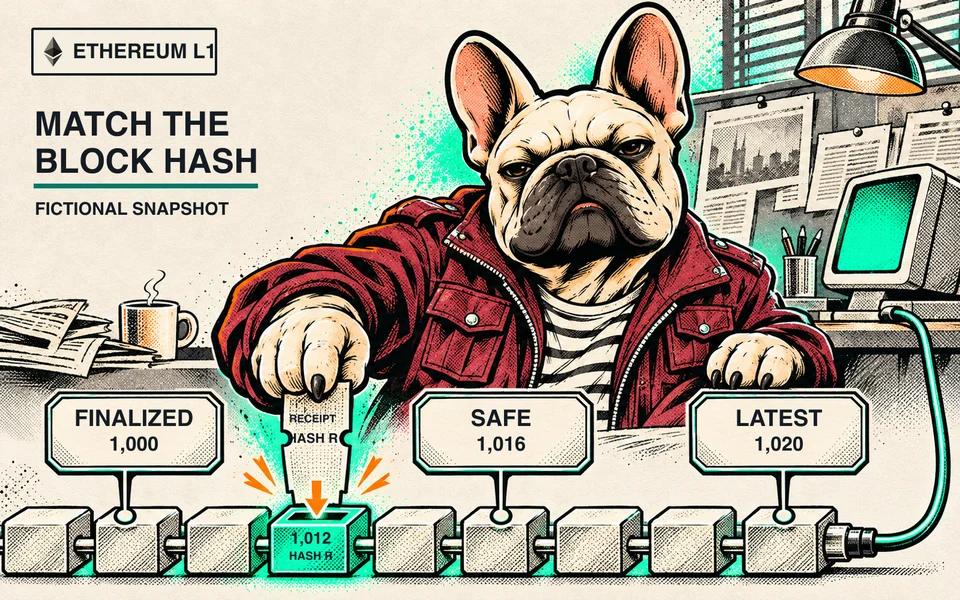
A blockchain is a replicated ordered record. Learn why broadcasting a transaction, including it in a block and reaching finality are different.
A system that communicates or represents assets and messages across otherwise separate networks.
A price-times-total-or-maximum-supply estimate used to show the scale implied by future token supply.
Ethereum gas fees explained: gas used, gas limit, effective price and fee caps are different. A higher gas limit is not a faster-transaction setting.