
Ethereum explained: one network, many programs
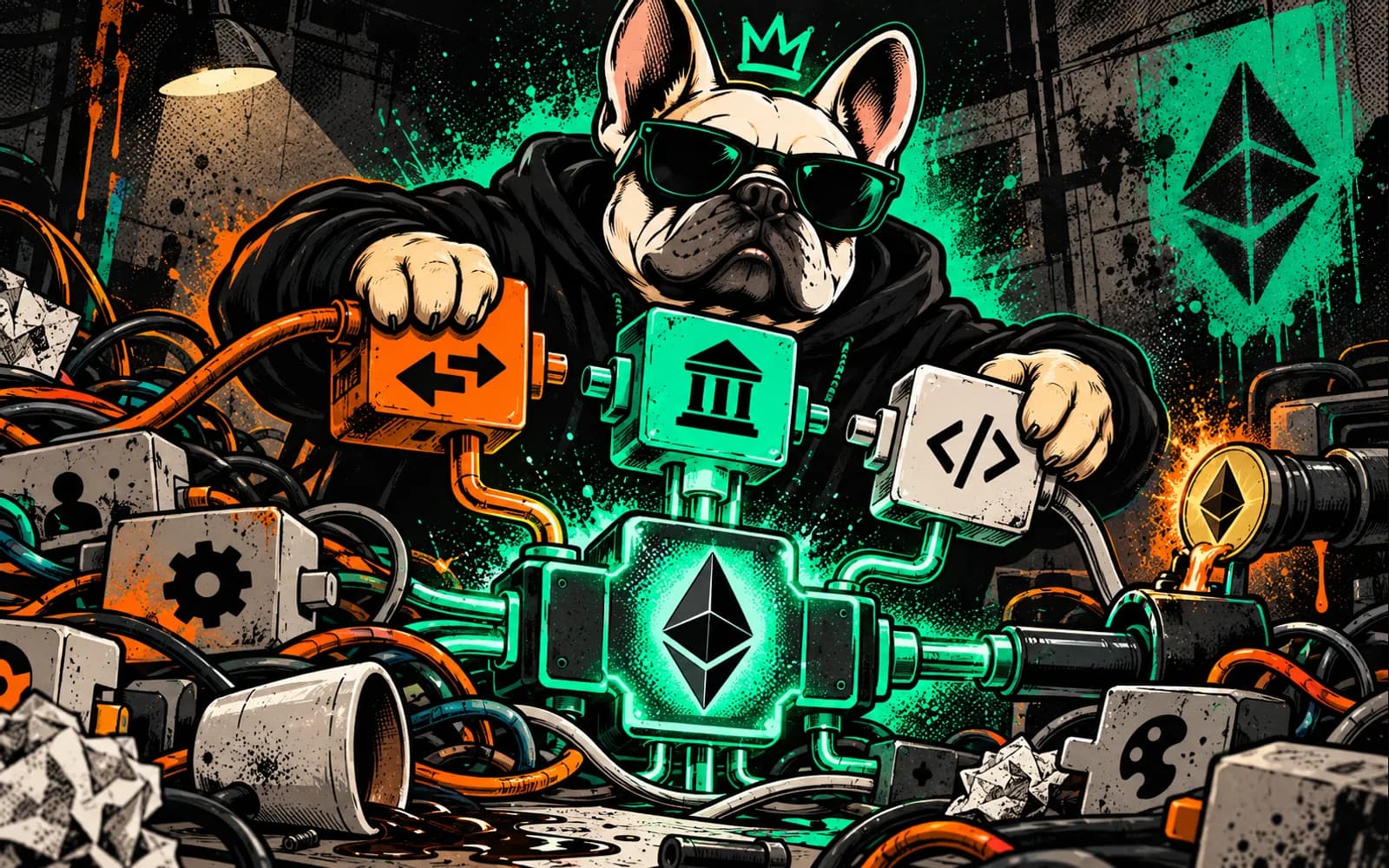
Separate ETH, the Ethereum network, and the smart contracts that applications use.
Explore Ethereum, smart contracts, network fees, token permissions and scaling networks through sourced coverage.
← All topics9 sourced articles, with the mechanisms and limits explained.
Separate ETH, the Ethereum network, and the smart contracts that applications use.
See how limited block space, computation, urgency, and network design shape a transaction fee.
Learn what an ERC-20 allowance permits, why unlimited approvals matter, and how to review access.
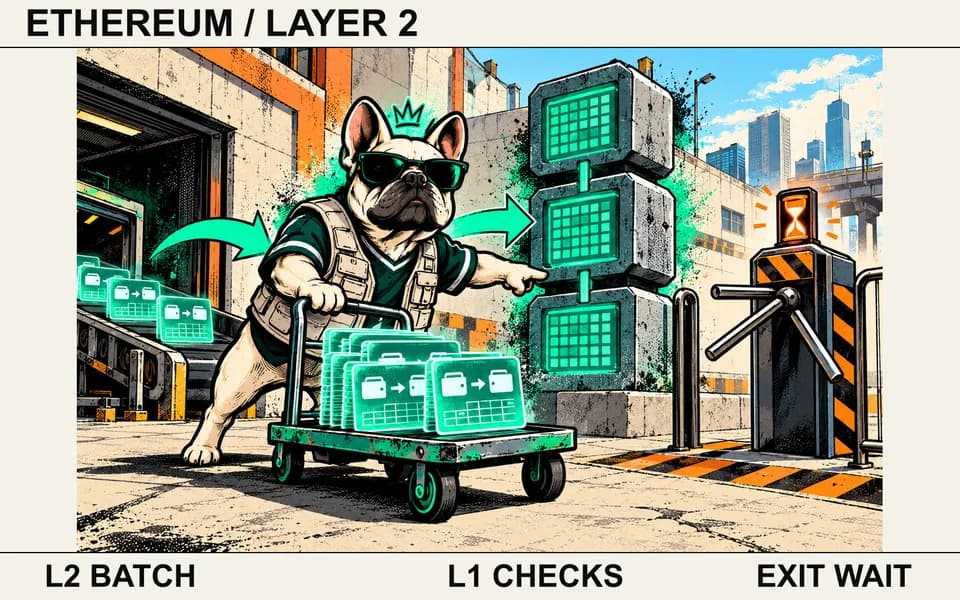
Understand Layer 2 vs Layer 1, rollups vs sidechains, sequencer confirmations and withdrawal routes. Check what Ethereum secures before choosing a network.
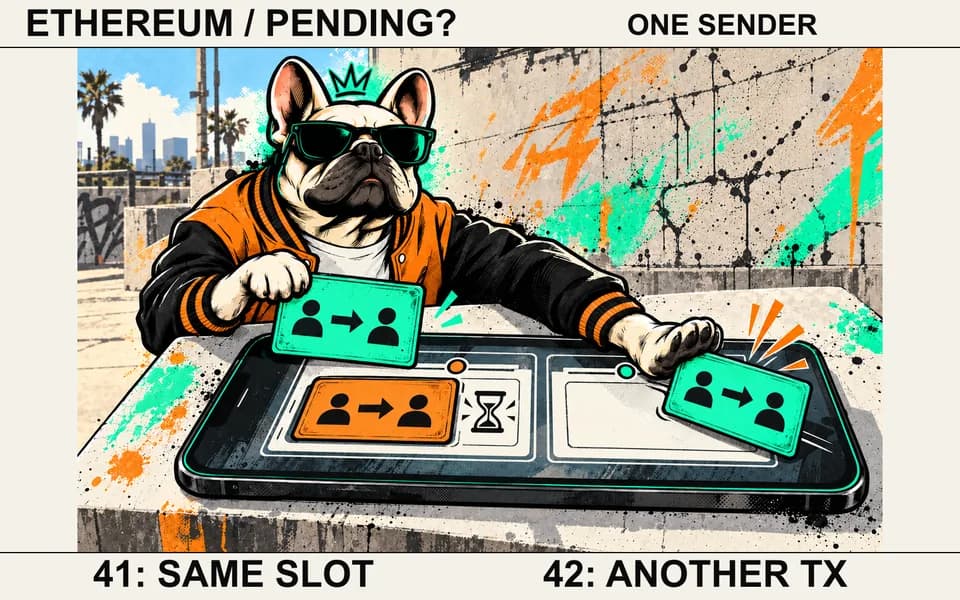
Check a pending Ethereum transaction by network, hash and nonce. Separate pending, dropped, replaced and failed before using a wallet's replacement controls.
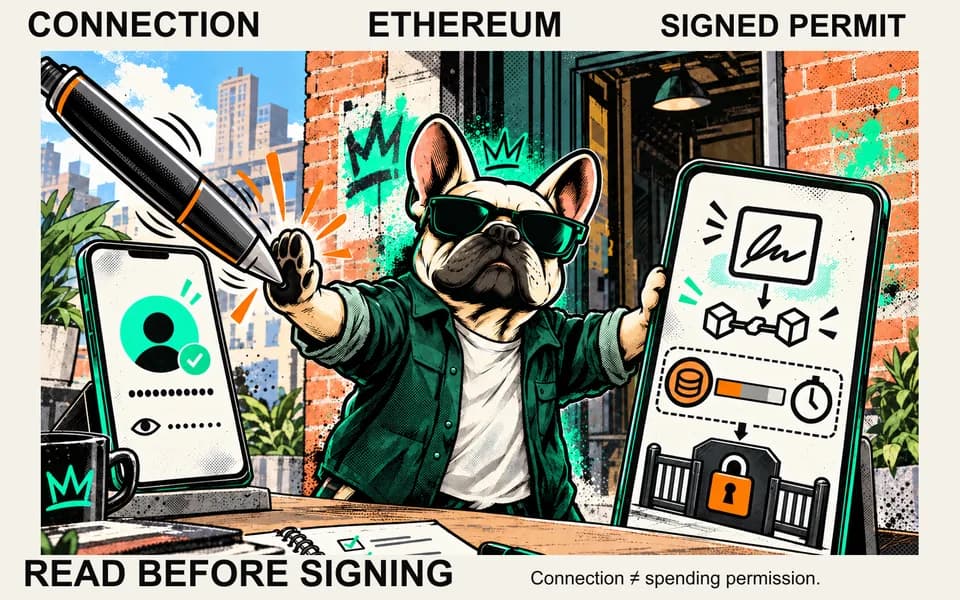
Read a MetaMask signature request by its permissions. Compare wallet connection, sign-in, token approvals, Permit2 and account delegation before signing.
Read an Ethereum transaction hash, status, recipient, token transfers and fee. Learn what Success proves, and why it does not guarantee an exchange deposit.
Follow the keys, records, and custody choices behind the thing we casually call a crypto wallet.
Trace the reserve, redemption, market, and software dependencies behind a stable-looking price.
A system that processes activity beyond a base blockchain while deriving part of its settlement or security from it.
A blockchain is a replicated ordered record. Learn why broadcasting a transaction, including it in a block and reaching finality are different.
A system that communicates or represents assets and messages across otherwise separate networks.
Ethereum gas fees explained: gas used, gas limit, effective price and fee caps are different. A higher gas limit is not a faster-transaction setting.
A network-specific identifier used as a destination or reference for blockchain activity.
Code and state at a blockchain address that execute according to network rules when called.
An onchain permission allowing a specified spender to transfer up to an allowance of tokens.
This collection links to sourced explanations. The collection's revision date records a curation change, not a new independent factual review of every linked article. Use each article's Sources and checked date for its own claims.
Ethereum explained covers the core model: many computers agree on state while smart contracts define repeatable rules for changing it.
Crypto network fees explains gas, why a failed transaction can still cost money, and why an app fee is not the same as a network fee.
Token approvals explained shows the difference between sending an asset and authorizing a contract to move it later.
Layer 2 vs Layer 1 maps where a rollup executes transactions, where data is available, what the base chain checks and what completes a withdrawal. It distinguishes optimistic and validity-proof rollups, validium and sidechains rather than treating them as interchangeable networks.
The guide also separates an early sequencer confirmation from Ethereum data finality and an executable bridge exit. Check the specific route instead of assuming every withdrawal is instant or takes exactly seven days. Named implementations illustrate their documented rules, not a ranking or endorsement.
For the compact definitions, use Layer 2 and Blockchain bridge. The article provides the longer mechanism and limitations; the glossary is not a substitute for route-specific instructions.
“On Ethereum” does not mean “safe,” “stable,” or “approved.” Smart contracts can contain bugs, interfaces can mislead, and the asset itself can remain volatile.
The Layer 2 article carries its own implementation-specific primary sources. Those checks do not re-date the collection's historical sources or the other linked articles.