What happened
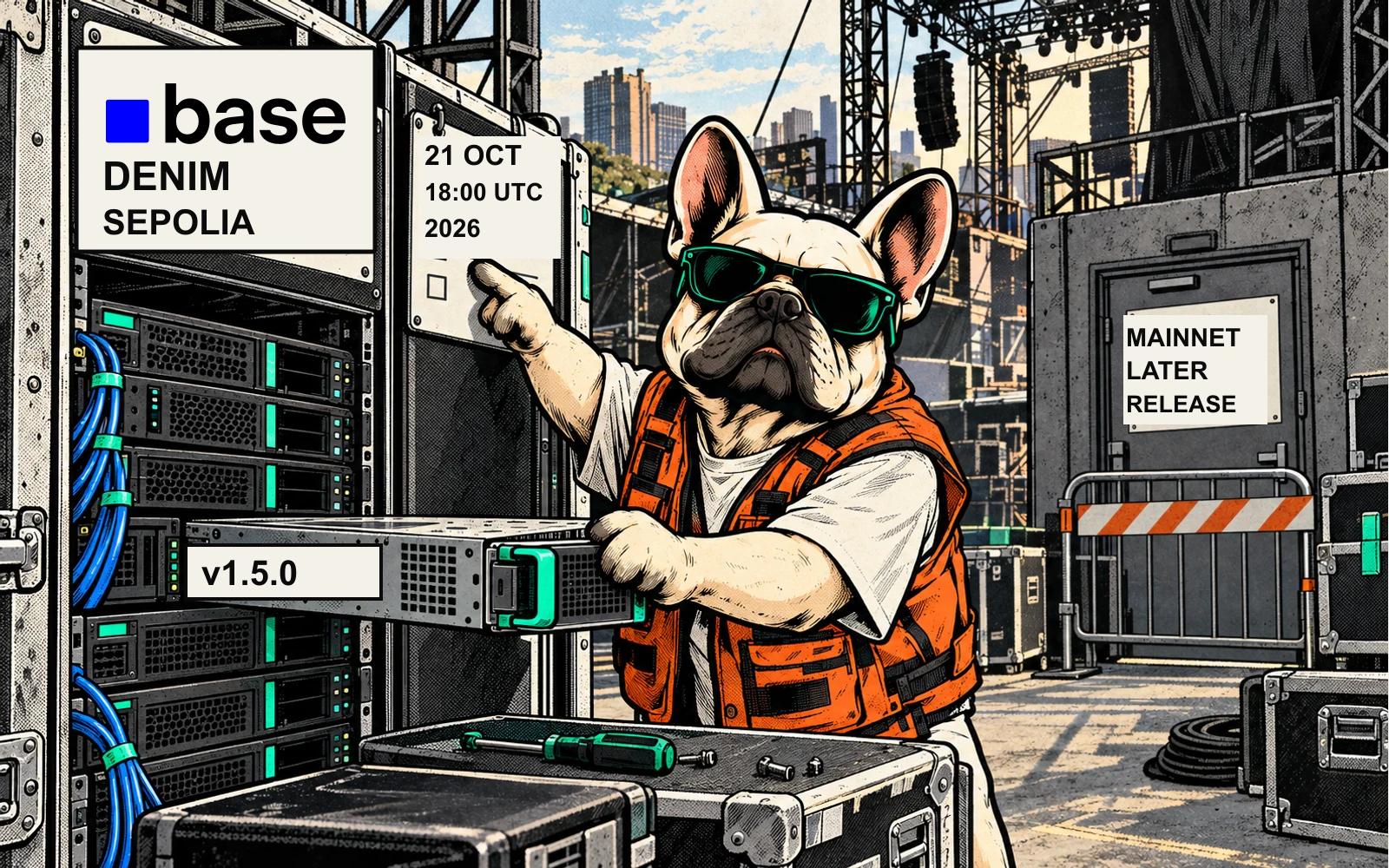
Base has released v1.5.0, giving Base Sepolia node operators a deadline of October 21 at 18:00 UTC to prepare for the Denim hardfork. Sepolia is Base's test network; this notice does not activate Denim on Base Mainnet.
GitHub records the release at October 14, 2026, 20:52:39 UTC. The October 21 fork is still ahead. Brokzi checked the release notes and Base's current documentation on October 15.
What is confirmed
The Denim overview lists different states for the two networks:
| Network | Published status | What readers can conclude |
|---|---|---|
| Base Sepolia | Scheduled for October 21, 2026; release notes specify 18:00 UTC | Testnet operators have a preparation deadline |
| Base Mainnet | Planning for November 2026 | A planning month, not an exact activation date |
Base says mainnet operators can use v1.5.0 without changing mainnet behavior. Installing the software does not itself activate Denim there.
The release also removes an old experimental validity-transactions startup flag. Operators still using it must review their launch configuration against the full notes. That is a node-maintenance warning, not a newly launched retail-wallet feature.
Why it matters
Denim's native-block specification describes five complete canonical blocks per second, replacing Flashblocks' incremental updates within a two-second block. Each new block has its own identity and lifecycle. Applications using Flashblocks have migration work to review before their network's activation.
The design also adds millisecond-aware time information. Existing seconds-based timestamp fields remain, with optional higher-resolution fields planned for RPC responses. These are documented changes to prepare for, not a claim that production endpoints have switched today.
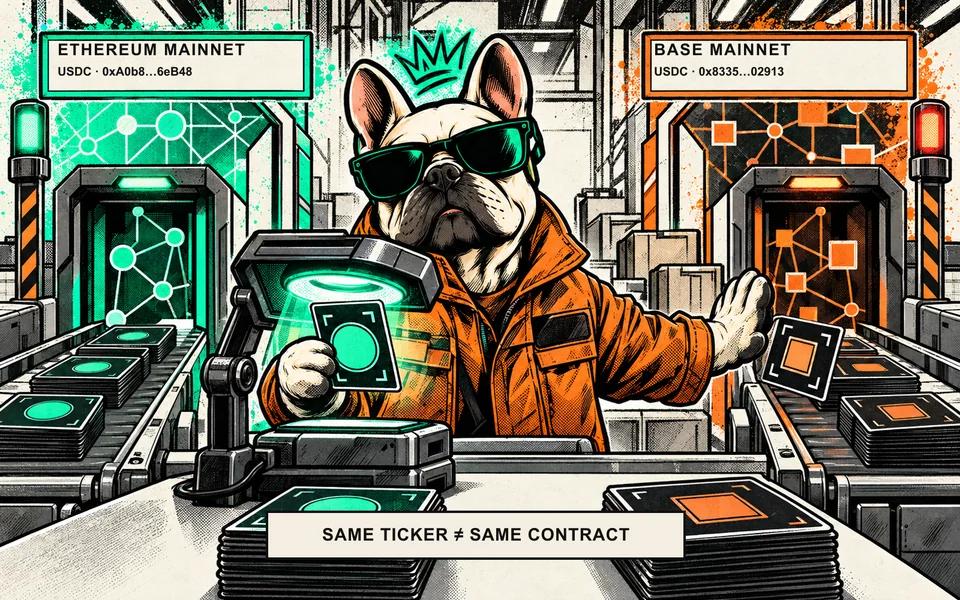
If you use a wallet rather than run a node, check which network a notice concerns. Our network-and-token checklist explains why a familiar project name alone is not enough. This release notice gives node operators upgrade work; it does not ask holders to connect a wallet, sign an approval or send funds.
What remains unknown
The checked sources do not give an exact Denim mainnet activation time or establish a successful Sepolia rollout. Brokzi has not run a node, queried fork state or measured performance.
A 200ms block cadence is not a guarantee of transaction inclusion, finality or lower fees. Base's specification keeps distinct block lifecycle states. An application can still need stronger confirmation than the arrival of its next block.
Brokzi's Take
Sepolia operators have a deadline. Mainnet wallet users have no new task from this announcement. A later mainnet release will need its own schedule and activation evidence.
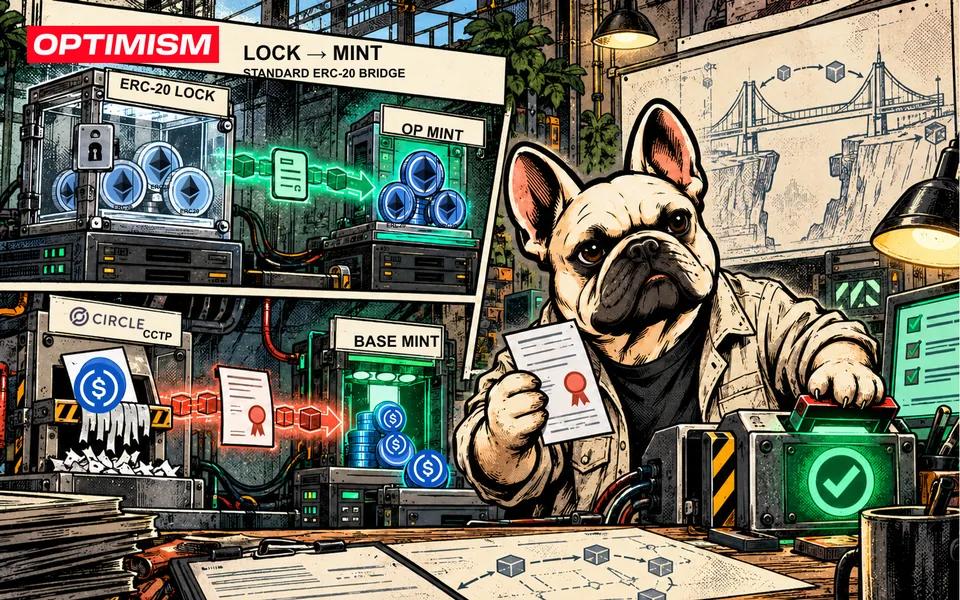
For background, read how Ethereum and its programs fit together. Moving assets is another decision: our bridge explainer covers the different trust assumptions rather than treating an upgrade notice as a reason to bridge.
Sources
Primary sources checked October 15, 2026. Release publication and scheduled activation are separate dates. This is reporting on Base's documents, not an independent rollout test, security audit or endorsement.
- Base: v1.5.0 release notes, published October 14, 2026. Operator deadline, mainnet scope and startup-flag notice.
- Base Docs: Denim overview, checked October 15. Network schedule and planning status.
- Base Docs: 200ms native blocks, checked October 15. Block, time and RPC design; not a production performance measurement.
See something wrong? Brokzi logs material changes. Prepare a correction note.