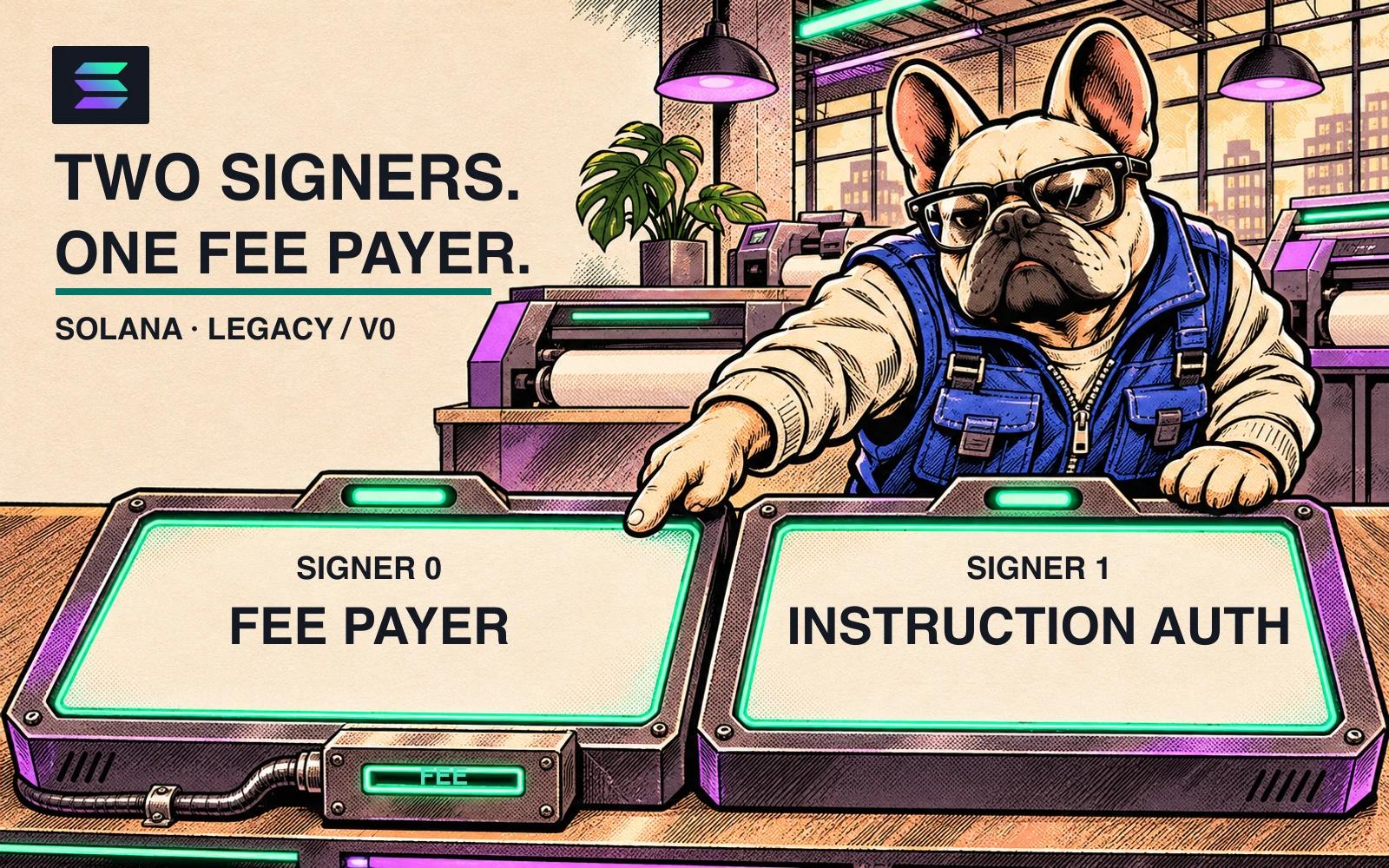
A Solana transaction can need two signatures and charge its entire network fee to one account. In a legacy or v0 message, the fee payer is the first static account, at index 0, and is itself a required signer. Another account may have to sign for an instruction. Read the signer positions and the fee payer’s balance separately.
Who signed the message?
In a legacy or v0 message, the header field numRequiredSignatures counts the required signers. The first that many entries in the static account list correspond, in order, to the entries in the signature array. The first signature belongs to the fee payer. It also serves as the transaction identifier.
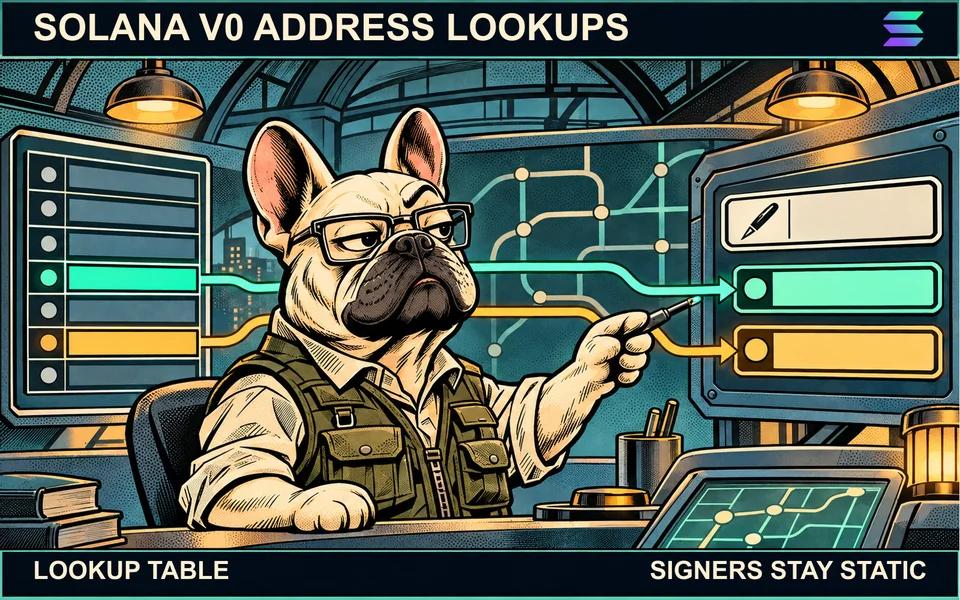
In our fictional record, the header calls for two signatures. Static account 0 is DEMO-PAYER, and static account 1 is DEMO-AUTH, which must authorize the example instruction. The remaining accounts are outside the signer group. Even a writable account can be a non-signer. If this is a v0 message, a key resolved from an address lookup table is outside the static signer list. See the Solana transaction structure reference and our guide to v0 lookup-table addresses.
Which balance pays the fee?
Solana debits the transaction’s base fee and any priority fee from the designated payer before executing instructions. The base fee calculation accounts for signatures, but the resulting debit still comes from one payer account. The second signer’s lamports do not enter the payer balance check. Lamports are the smallest unit of SOL. The Solana fee structure reference explains which charges feed the total.
Balance is one part of fee-payer validation. Solana’s account runtime reference also describes which accounts qualify and which balance rules apply after the debit. For example, nonce accounts must retain their rent-exempt balance. The table below focuses on two checks, with other conditions assumed to be satisfied unless a row says otherwise.
Two signatures, two ways the checks can fail
These are invented records with placeholder labels. Each uses the same two required signers and assumes a total fee of 10,000 lamports. That amount is an assumption for comparing the rows.
| Example | Required signatures | Payer balance | What the record shows |
|---|---|---|---|
| A | Both present and valid | 9,000 lamports | The payer is short by 1,000 lamports. The other signer’s 40,000 lamports do not cover it. |
| B | Payer valid, second signature missing | Sufficient for the fee and applicable balance rule | The payer has enough lamports. The required second signature is still missing. |
| C | Both present and valid | Sufficient for the fee and applicable balance rule | Both checks pass. Instruction execution has its own outcome. |
An explorer’s transaction identifier refers to the first signature. One identifier on the screen tells you where to find the record. To see the other required signer, read the message’s signer count and static account order.
Where to look when the roles are unclear
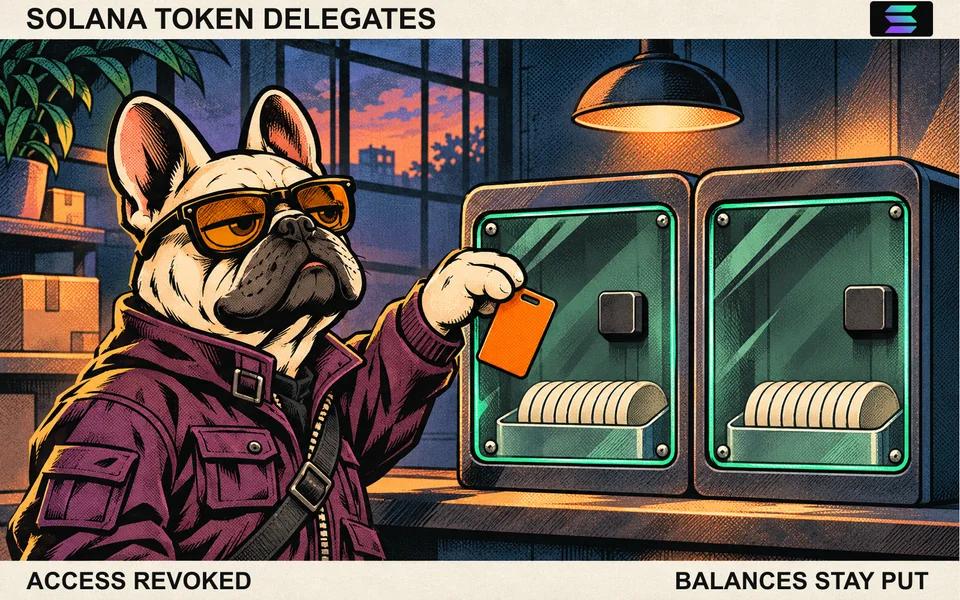
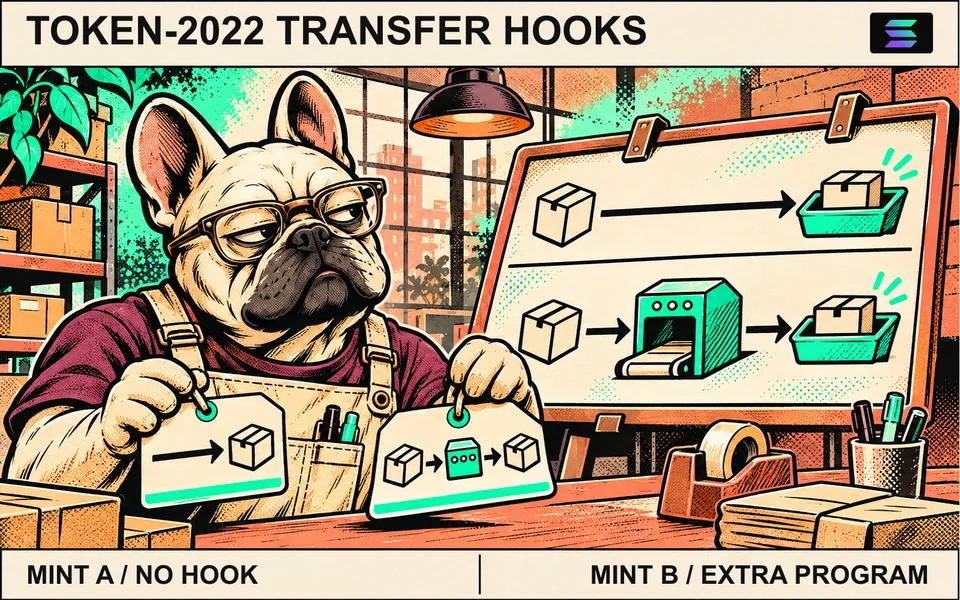
Separate the fee payer on the transaction from the authority named by an instruction and the balances of any token accounts. The Solana token delegate explainer covers the authority to use a token account within an allowance. A Token-2022 transfer hook is an additional program check configured on the mint. Those are different from the network’s decision about which SOL balance pays for the transaction.
Sources
See something wrong? Brokzi logs material changes. Prepare a correction note.