What happened
Kraken announced Unified Wallet for EEA clients on October 16, 2026. The company says Kraken Pro users can share eligible balances as collateral instead of moving funds between product wallets. The announcement gives a date, not a publication hour.
What is confirmed
Kraken's technical introduction, updated October 7, separates the shared pool from products kept outside it:
| Arrangement | Scope in Kraken's documentation |
|---|---|
| Shared pool | Eligible spot, spot-margin and Multi-M derivatives balances |
| Separate balances | Coin-M/inverse futures and US TradFi futures are excluded |
| Margin modes | Cross margin is the default; isolated margin remains available for Multi-M contracts |
Kraken applies asset-specific collateral ratios, which can change. A balance's face value may differ from its usable collateral value.
Why it matters
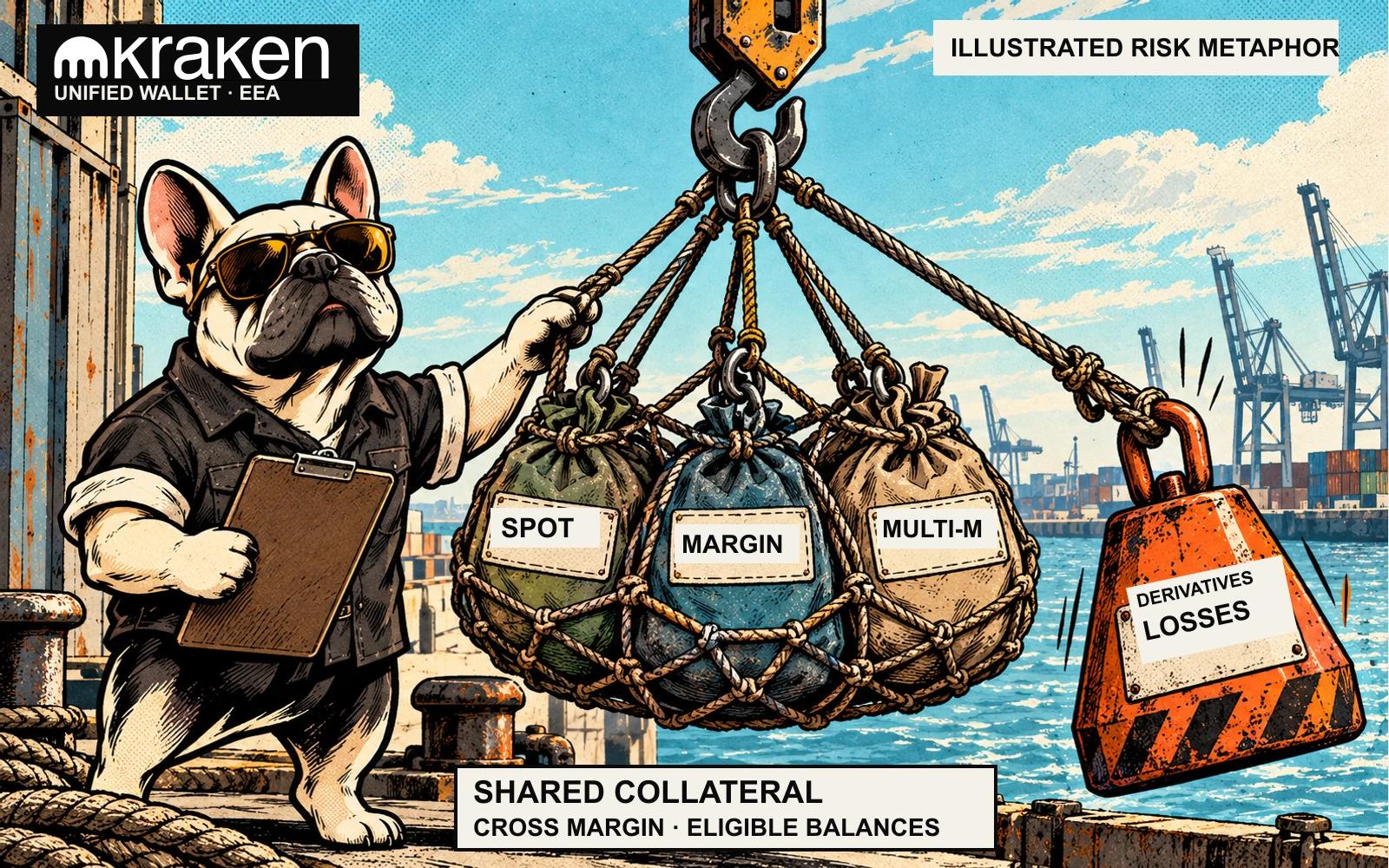
With cross margin, a losing position can draw on the eligible balance across products. Spot holdings previously kept in a separate product wallet may therefore become exposed too.
Kraken says switching back requires closing derivatives positions and orders. Do not assume pooling can be reversed unrestrictedly during an open trade.
What remains unknown
This EEA announcement does not establish universal eligibility. Brokzi has not accessed an account or tested the product. Kraken's announcement warns that derivatives losses can exceed the initial investment and distinguishes service-specific regulatory responsibilities; a shared interface does not mean identical protections.
Brokzi's Take
Before judging the convenience, identify what becomes collateral, which margin mode applies and what must close before switching back. Pooling changes which balances can cover losses. This report is not a recommendation to activate margin trading.
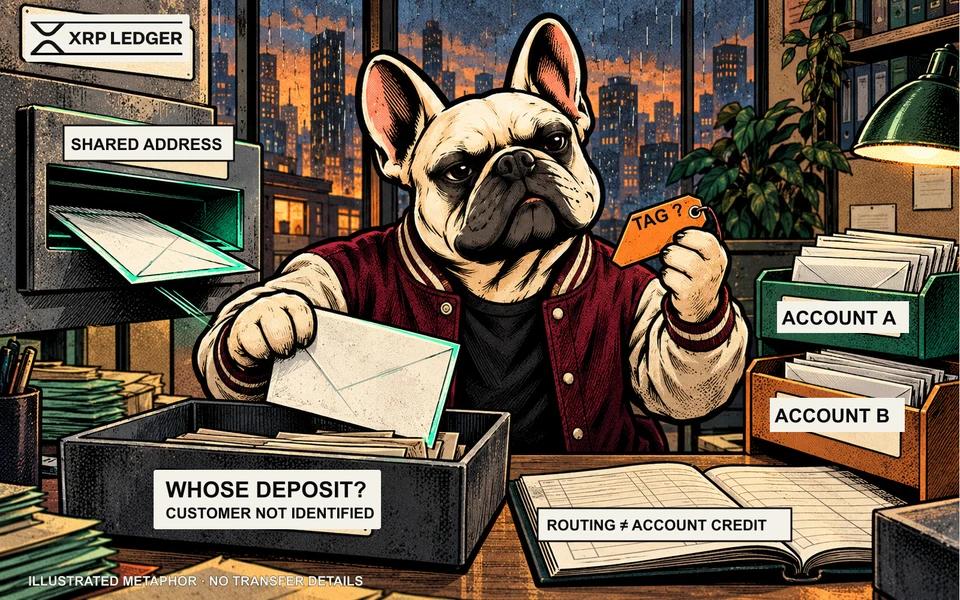
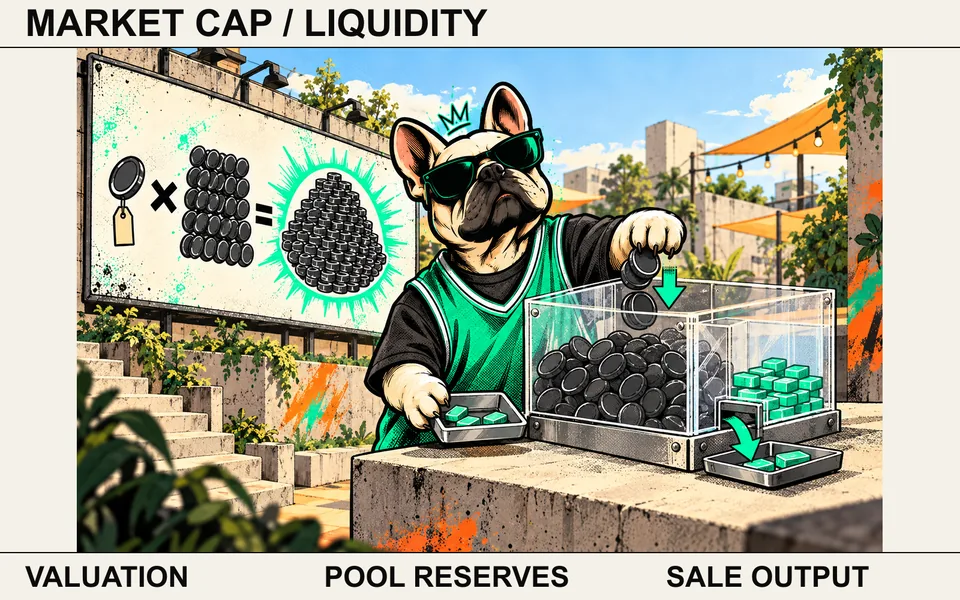
The memo and destination-tag explainer covers a different exchange boundary: payment arrival versus account credit. Market cap versus liquidity explains why a displayed valuation does not establish executable value.
Sources
- Kraken's EEA announcement, dated October 16, 2026.
- Introduction to Unified Wallet, updated October 7, 2026.
Both checked October 16. This report analyzes Kraken's own documents, not an independent product or legal assessment.
See something wrong? Brokzi logs material changes. Prepare a correction note.